
News & Research
Read more about Reefgen's seagrass restoration efforts, and related research & news in marine restoration.
Read more about Reefgen's seagrass restoration efforts, and related research & news in marine restoration.

Seagrass restoration is vital for coastal ecosystems, but traditional methods are costly and labor-intensive. This paper references Reefgen's innovative robotic solution to revolutionize seagrass restoration by making it more efficient and scalable.
Read more ->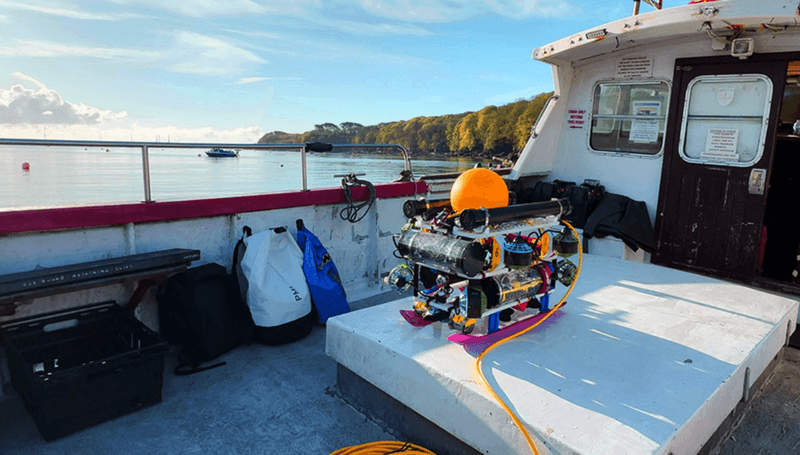
"Seagrass Ocean Rescue Upscaling Project (SORUP) has been using a robot to help plant the seeds at the restoration site in Dale," said manager, Sam Rees. The robot, designed by Reefgen in San Francisco, holds 20,000 seeds mixed with mud which it injects into the sediment in the seabed.
Read more ->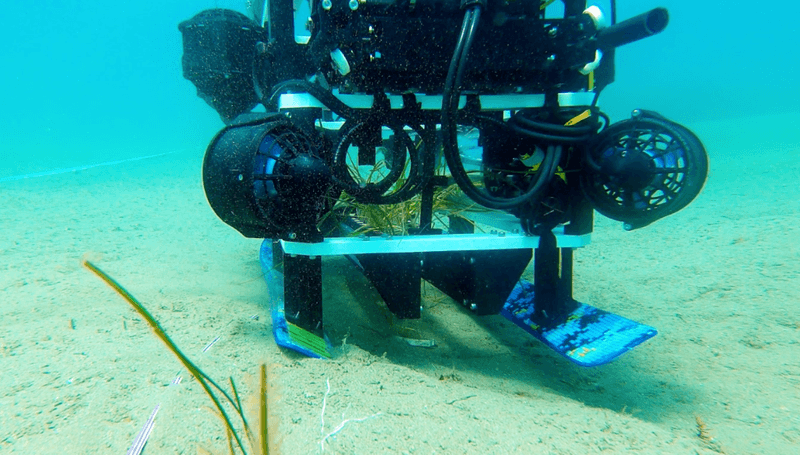
One of Washington’s most ambitious climate protection projects is taking place in the Puget Sound, where the Department of Natural Resources (DNR) is experimenting with a robot to restore eelgrass meadows. Eelgrass sequesters three times the amount of carbon as a typical forest.
Read more ->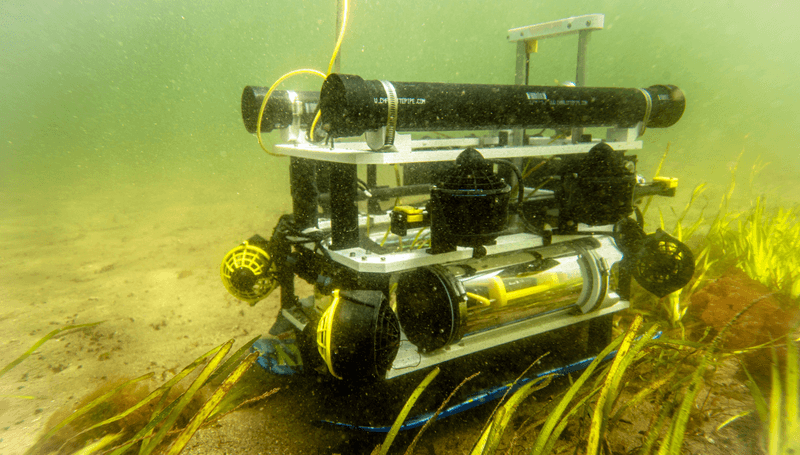
“This is about restoration, and it’s about using new technologies for us to actually restore this habitat,” said Washington Commissioner of Public Lands Hilary Franz, who donned a wet suit on Monday morning to observe the effort up close.
Read more ->Our work is backed by years of research in seagrass restoration. Read more about the processes that founded Reefgen's mission.

Successful, large-scale coastal restoration projects depend on more than just science; they require strong public and political support. Key factors include building public buy-in, establishing clear, science-based goals, and regularly communicating progress to the public to maintain momentum and accountability.
Read more ->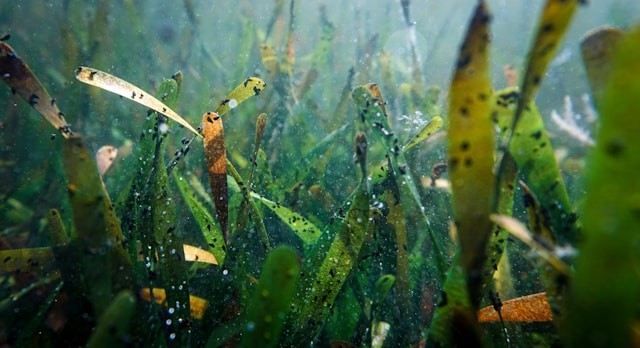
Throughout history, seagrasses have been a valuable resource for human culture, from ancient food and medicine to raw materials. While some of these uses have faded, many are being rediscovered, highlighting the need for sustainable practices to protect and restore these vital ecosystems.
Read more ->
Planting a lot of seagrass at once is the best way to ensure restoration projects succeed. This large-scale approach helps the new plants survive tough conditions and grow into a thriving, self-sustaining community.
Read more ->We've selected recent news about global efforts to restore marine ecosystems amidst climate change.
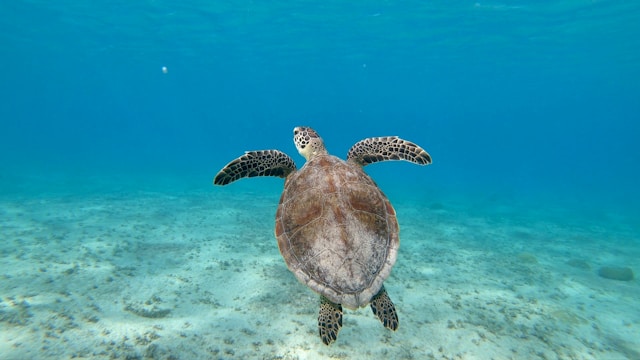
The Global Environment Facility’s governing body has approved more than $700 million for nature protection and renewal projects, including support for the Great Green Wall and investment in large-scale initiatives for sustainable cities, cleaner industries, improved ocean and land health, and greater climate change resilience.
Read more ->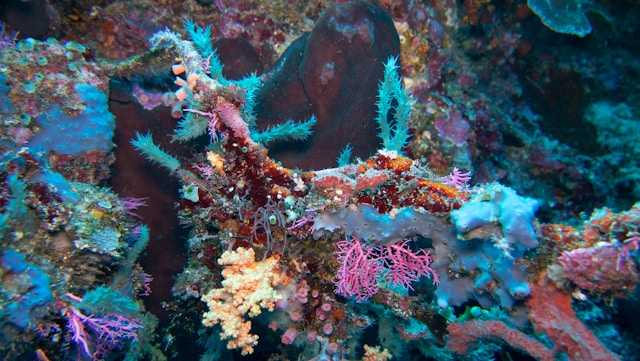
In June 2024, the Council formally adopted the – first of its kind – regulation on nature restoration. This law aims to put measures in place to restore at least 20% of the EU’s land and sea areas by 2030, and all ecosystems in need of restoration by 2050.
Read more ->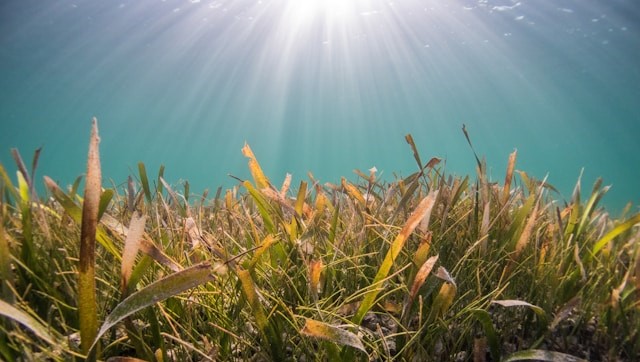
Japan had about 360,000 tons of “blue carbon,” or carbon dioxide absorbed and stored by seaweed and seagrass, in fiscal 2022, the government intends to report to the United Nations.
Read more ->
Although many studies predict extensive future biodiversity loss and redistribution in the terrestrial realm, future changes in marine biodiversity remain relatively unexplored.
Read more ->
Seagrass is vital for storing carbon and slowing climate change. With the help of nature’s best divers, scientists have found a patch the size of Portugal.
Read more ->